Expertise-Leveling Technology and the Division of Creative Labor
Job Market Paper
Abstract
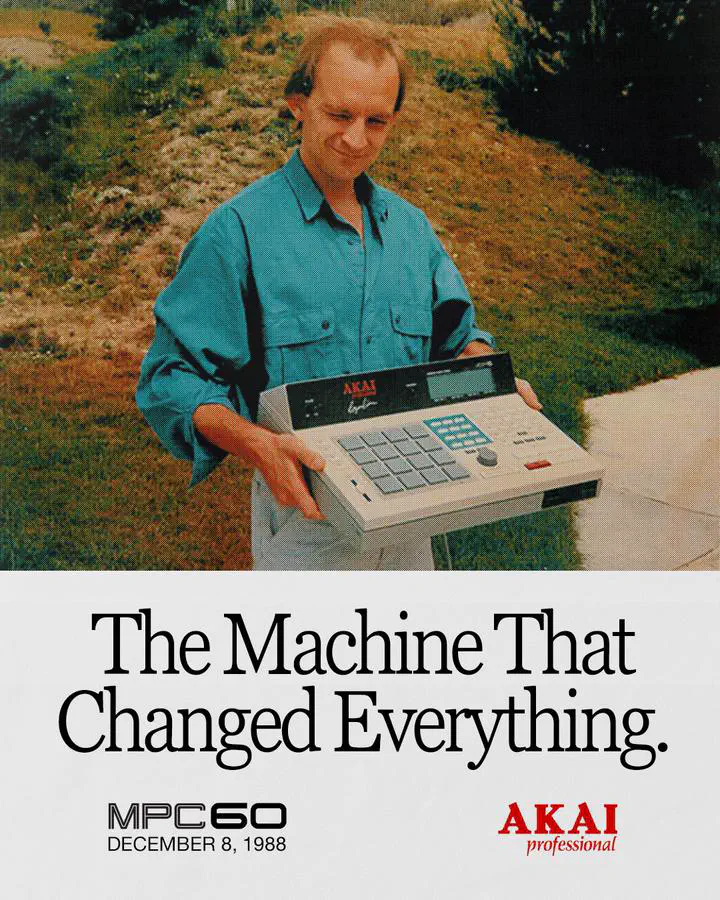
How does production adjust when technology lowers the expertise required to perform some tasks? I study digital sampling, which makes recorded performances reusable and reduces the expertise required for music production. I assemble novel data on production credits, sampling, artists’ musical training, and content for 70,999 US records released between 1980 and 2000. A difference-in-differences design exploits geographic exposure to a new sampler’s 1988 promotional campaign alongside Michael Jackson’s tour. Campaign exposure increased sampling, with no detectable change in employment. Teams gained 0.45 musicians working exclusively in writing, composition, arrangement, and production, roughly 13 percent of the pre-period mean, without detectable broadening of individual task bundles. Artists associated with sampling were more likely to be self-taught and less likely to report formal musical training. Records became acoustically more differentiated from the previous year’s releases, consistent with greater innovation in recorded sound. The estimates for lyrical differentiation are positive but imprecise. The findings show that technology can change both the organization of production and innovation in output without a detectable employment response.

Giuseppe Musillo
PhD Candidate in Economics
I am a PhD candidate in economics at Tilburg University. My research asks how technology changes creative work and how narratives change political behavior. I am on the 2026–27 economics job market.