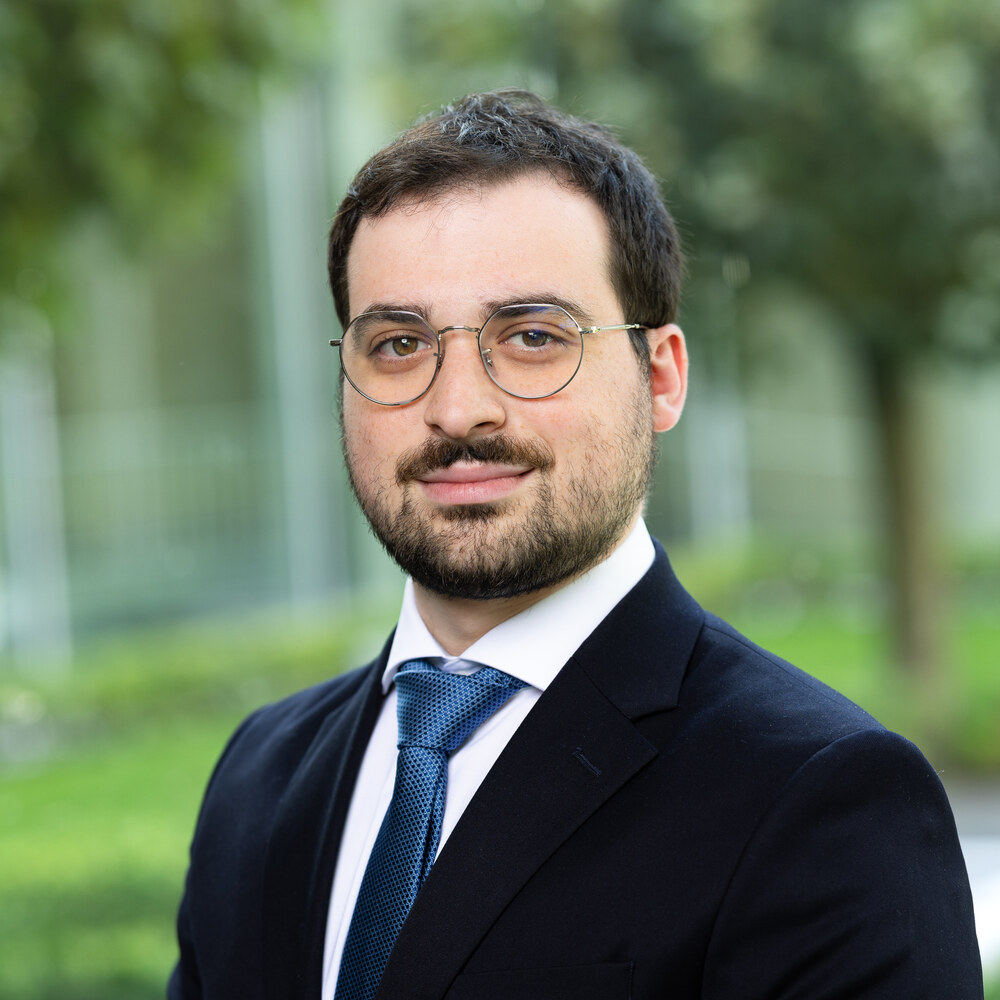
I am a PhD candidate in economics at Tilburg University, expected to graduate in June 2027. I work in labor economics and political economy, with a focus on the economics of technology and the economics of media. My supervisors are David Schindler, Mery Ferrando, and Anna Salomons. I have visited Universitat Pompeu Fabra and LMU Munich.
My research asks how technology changes creative work and how narratives change political behavior. I study technologies that lower the expertise needed to create, such as digital samplers and large language models, and narratives that spread through mass media and personal networks. I use field experiments and newly assembled historical, textual, and audio data.
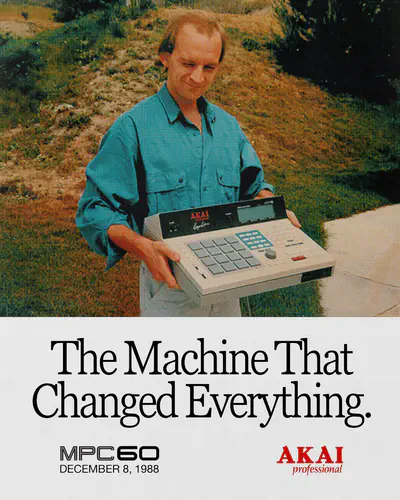
My job market paper asks what happens when an expertise-leveling technology spreads through an industry. Studying digital sampling in music, I find that it did not just let individuals do more on their own: production teams added specialists, and the music began to sound different.
I am on the 2026–27 economics job market.
- Labor Economics
- Political Economy
- Economic History
PhD in Economics, 2022 - Present
Tilburg University
MRes in Economics, 2020-2022
Tilburg University
MSc in Economics, 2019-2020
Tilburg University
BSc in International Economics and Finance, 2016-2019
Bocconi University
Job Market Paper
Publications
Working Papers
Work in Progress
Other Writings
Teaching
Teaching Assistant at Tilburg University
- Public Sector Economics (B.Sc. in Economics), 2024 - Present
- Econometrics (B.Sc. in Economics), 2022 - Present
- Microeconomics: Markets and Games (B.Sc. Entrepreneurship and Business Innovation), 2022 - 2023
- Skills: Visualizing Data & Writing for Policy Makers (B.Sc. in Economics), 2022 - 2023
- BSc Economics Thesis Supervision
Contact
- g.musillo@tilburguniversity.edu
- Warandelaan 2, Koopmans Building, office K332, Tilburg, 5037AB